Questions Brisbane homeowners ask
Can an engineered timber floor be sanded?
Sometimes, and one number decides it: the thickness of the real timber wear layer on top of the core. Around 6mm takes two or three sands, 3mm takes one careful sand, and under about 2mm should be recoated rather than sanded. A click-lock floating floor with a 0.6mm veneer cannot be sanded at all. Lift a vent or a threshold and look at the edge of a board before anyone quotes.
Will the colour change after the floor is finished?
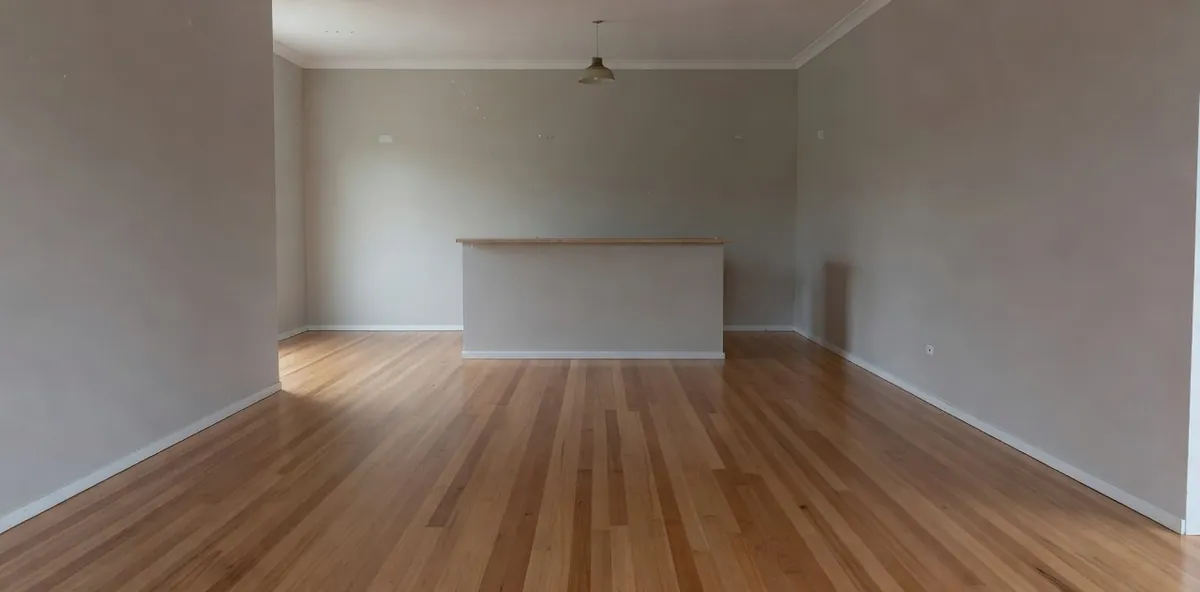
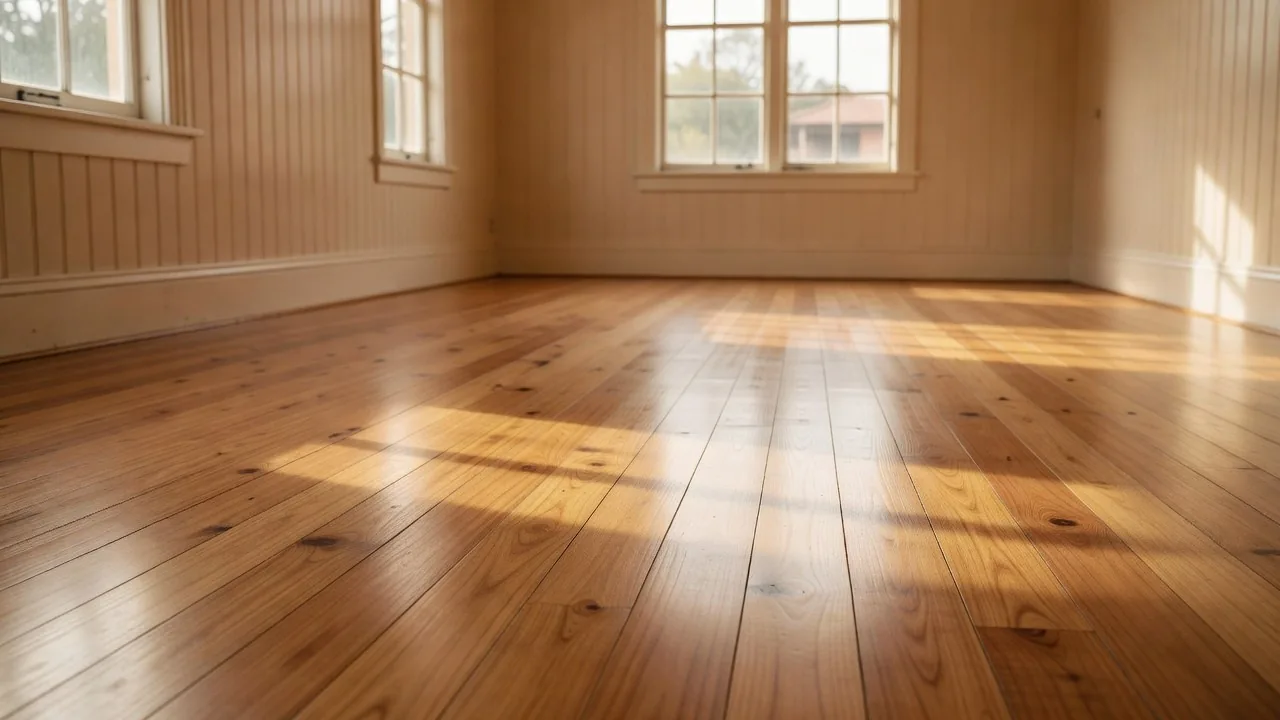
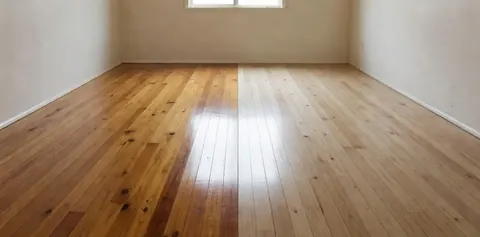
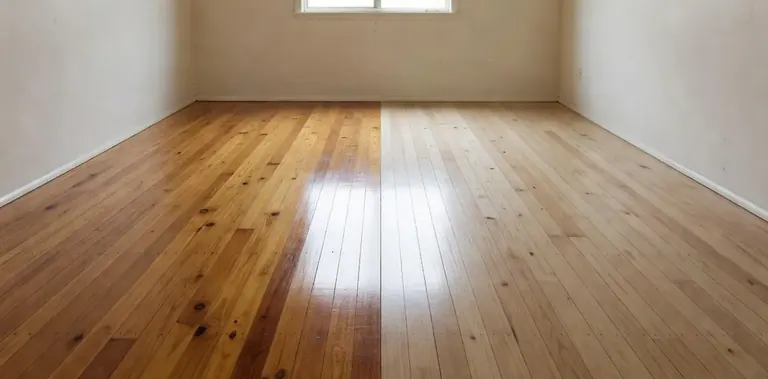
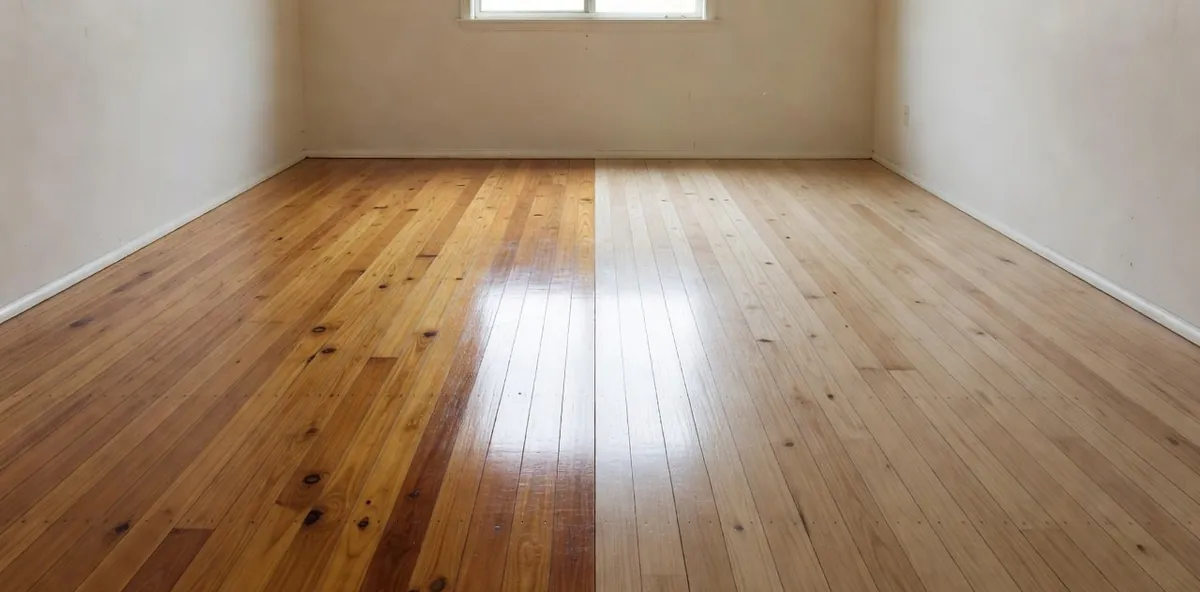
Yes, and how much depends on the finish. Solvent-based polyurethane ambers the timber warmly and keeps ambering for years, so a repair patched in later will not match. Water-based goes on clear and stays clear. Australian hardwoods also darken on their own with light exposure, which is why a rug moved after two years leaves a pale rectangle.
Do you sand decks and stairs as well as floors?
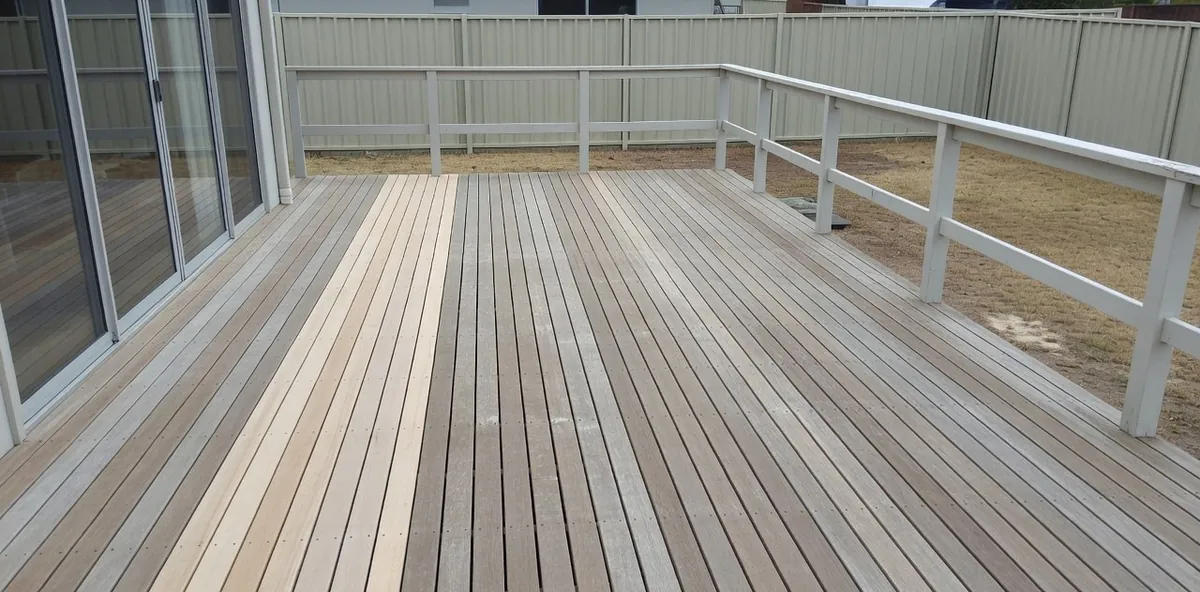
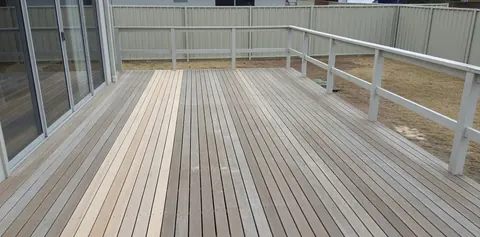
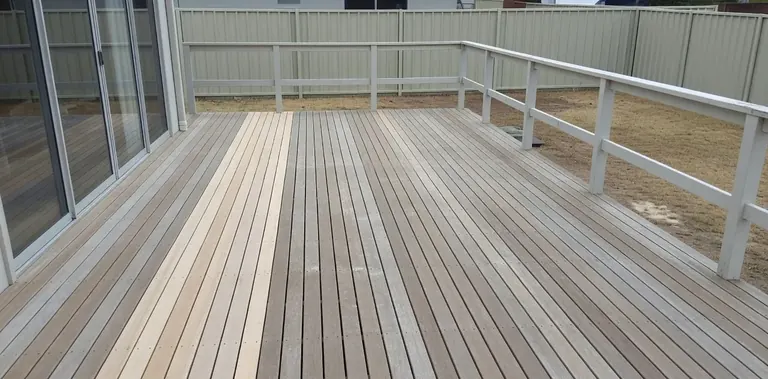
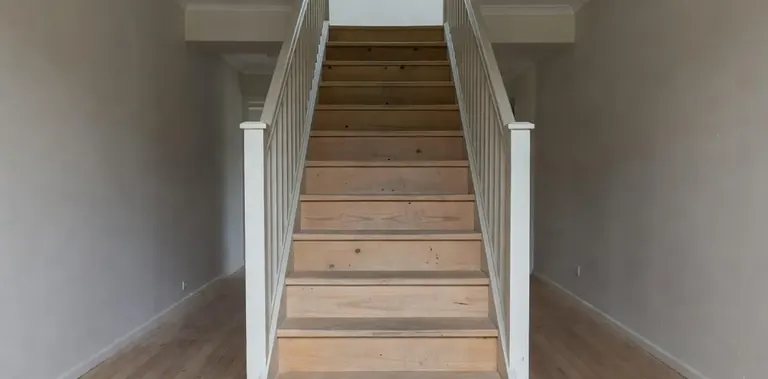
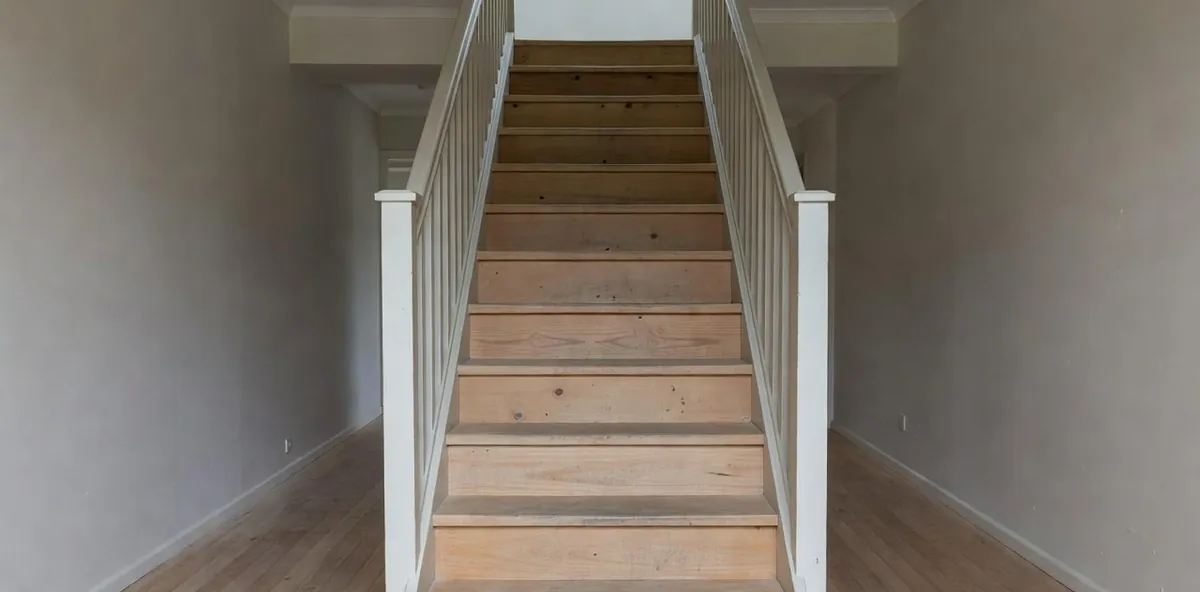
Yes, and both are quoted differently. A deck is finished in penetrating oil rather than a film coating, because a hard film cracks outdoors and lifts. Stairs are quoted per flight rather than per square metre, because there is almost no machine work in them — treads, risers and nosings are largely done by hand.
How do I look after the floor once it is done?
Sweep or vacuum more than you mop; grit is what actually scratches a floor, not water. Use a barely damp mop and a cleaner made for the finish you have, never a general supermarket floor cleaner, and never anything with silicone or wax in it — they build up a film that has to be sanded off before the floor can ever be recoated. Felt pads under furniture, and a mat at every external door.
Is there timber under my carpet?
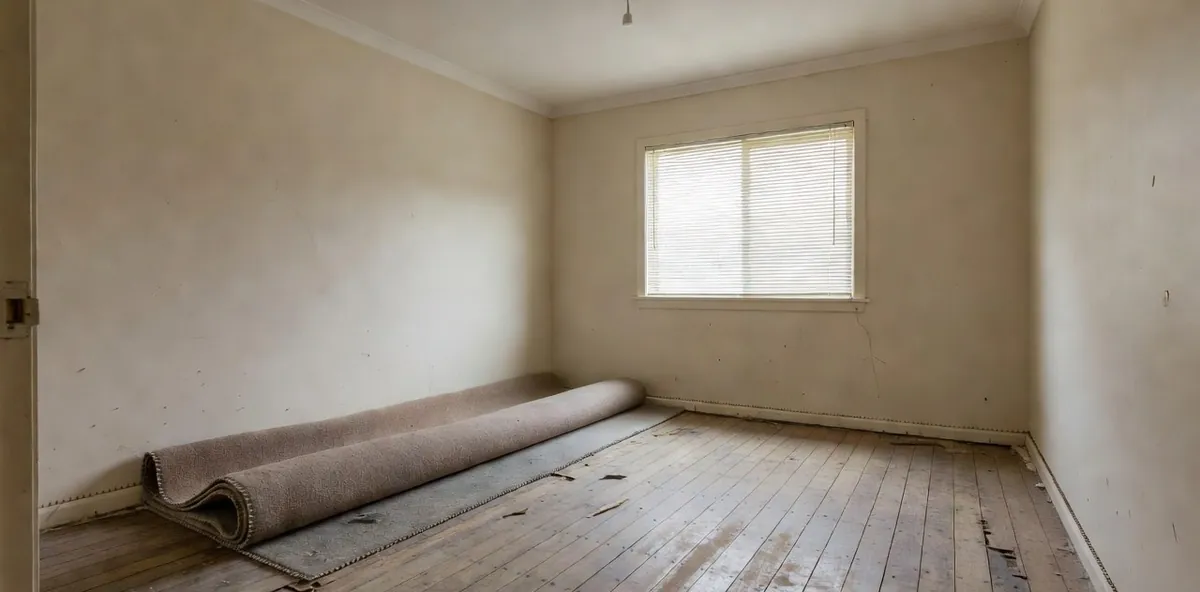
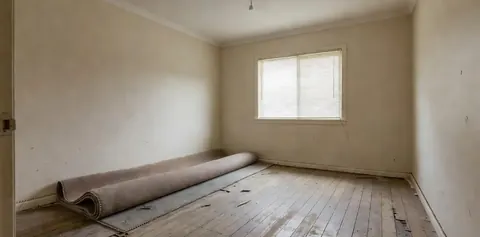
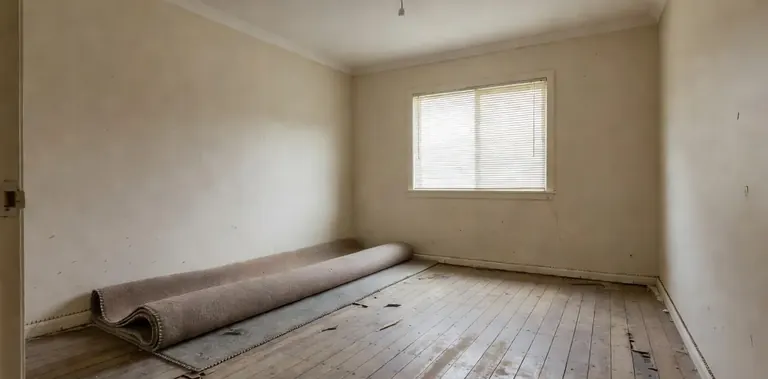
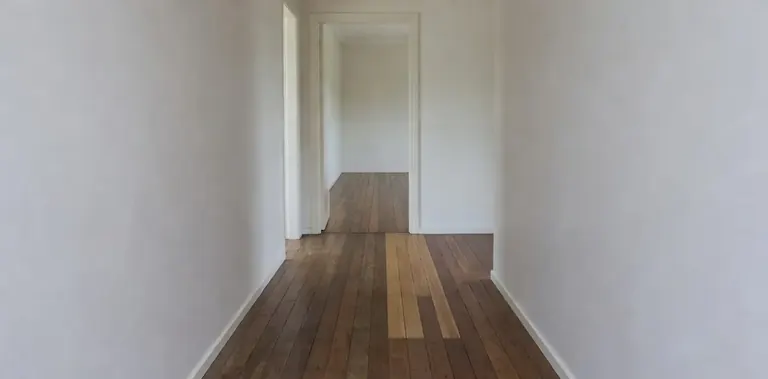
In Brisbane housing built before about 1960, very often yes — hardwood or hoop pine. Carpet was laid over sound floors through the sixties and seventies and a lot of it never came up. Lift a corner in a wardrobe or behind a door and have a look. What you can't tell that way is the condition, or how many tack strips and staples went through the boards, which is what an inspection is for.
Do floor sanders need a licence in Queensland?
Yes. There's a specific QBCC class — Floor finishing and covering (hard sector) — and its scope expressly includes preparing, sanding and applying coatings to timber floors. The general $3,300 threshold applies on top, which most whole-house jobs exceed. People assume sanding is unlicensed because it looks like surface work. It isn't.
How many times can a floor be sanded?
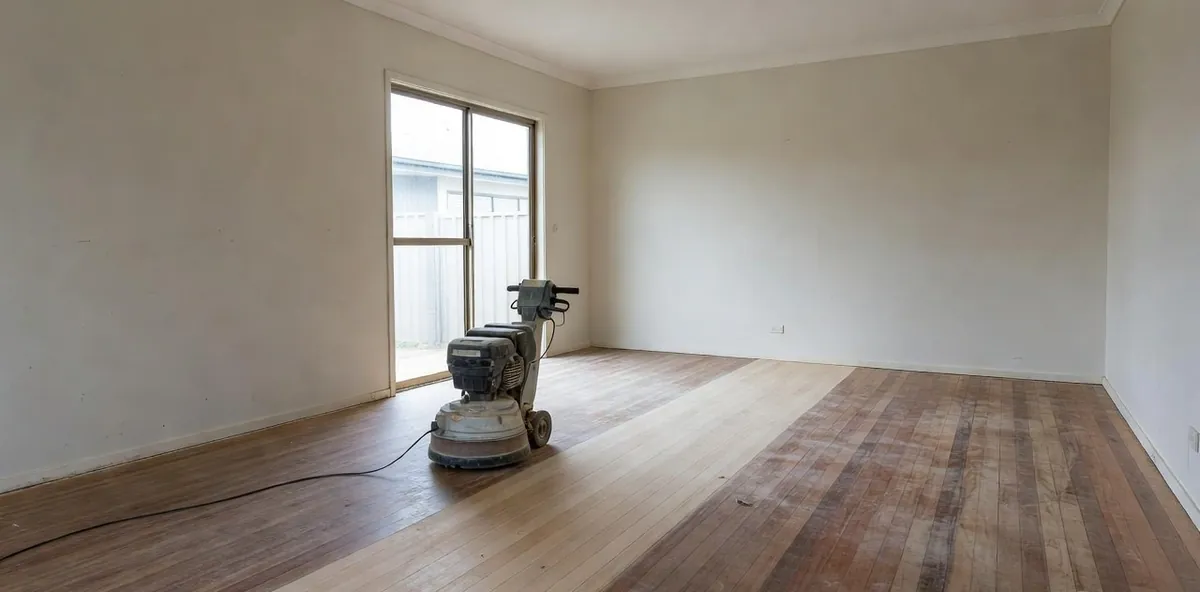
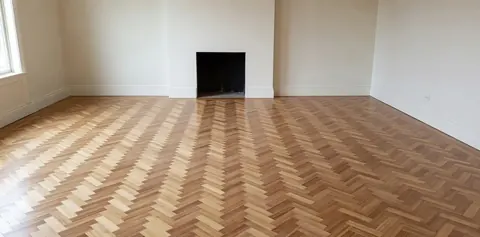
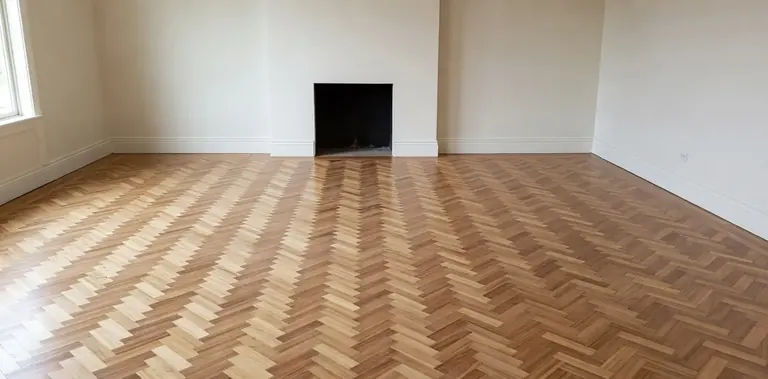
A solid hardwood floor typically has three to five full sands in it over its life, depending on board thickness and how much was taken off previously. Engineered boards may have only one, sometimes none. This is why a light recoat is worth asking about where the timber is sound and only the finish is worn — it uses none of that budget.
What's cupping and why does it matter in Brisbane?
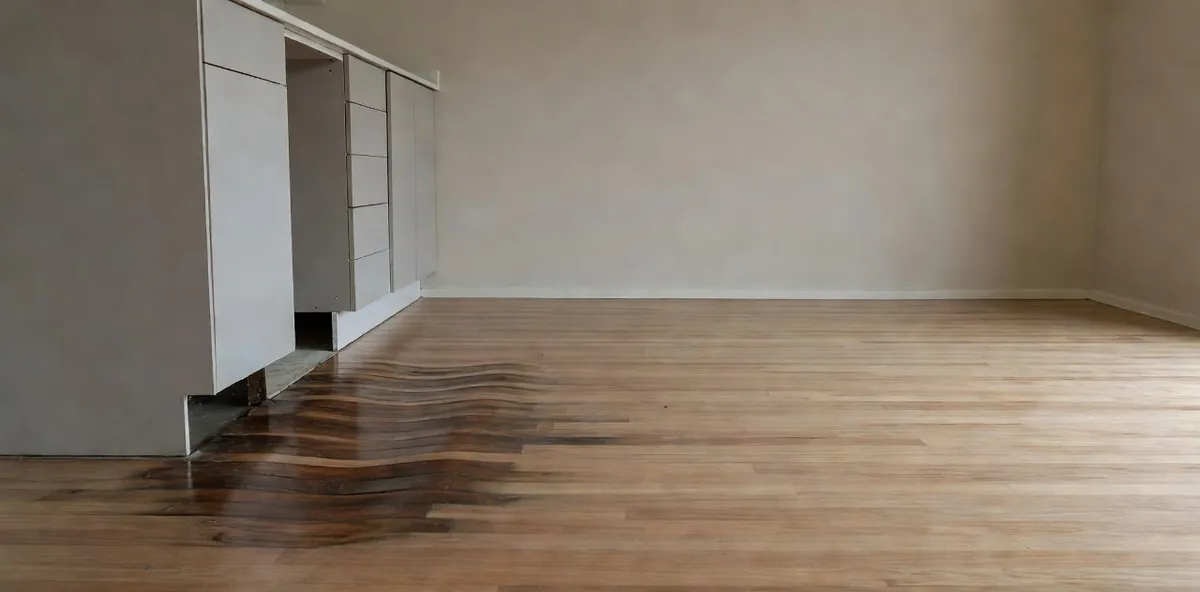
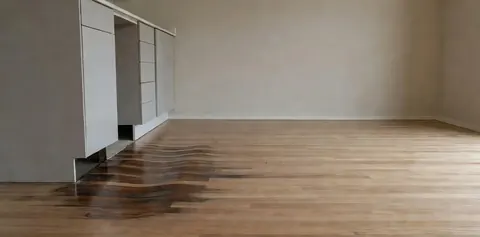
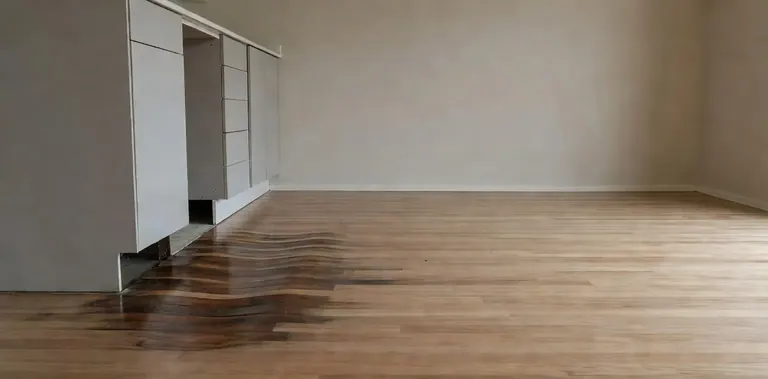
Cupping is when the edges of each board sit higher than the centre, caused by moisture moving through the timber. Our wet season does it reliably. If a cupped floor is sanded flat before it stabilises, the boards will relax later and you'll be left with a dished surface and less thickness remaining. A moisture reading first is cheap insurance.
How long does it take and can we stay?
A typical three-bedroom house is three to five days including coats. You can usually stay if you can live around a closed-off area, but the finish needs curing time — light foot traffic after a day or so, rugs and heavy furniture considerably later. Ask for the specific curing times for the product they're using.
Water-based or solvent finish?
Water-based dries faster, smells far less and stays closer to the natural timber colour. Solvent-based (polyurethane) is traditionally harder-wearing and ambers the timber, which some people want on older hardwood. Both are durable now. The honest difference for most households is smell and colour, not longevity.
How much dust is there really?
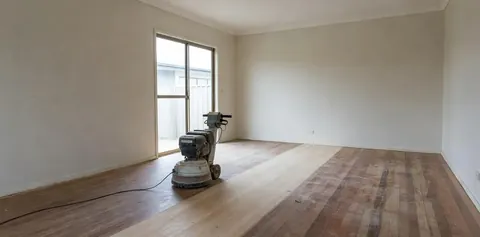
Much less than the reputation. Modern belt and orbital machines run vacuum extraction and a good operator seals the work area. It is not dust-free — fine dust settles for a few days afterwards — but it's nothing like the drum-sander horror stories.
Do you cover Ipswich and the bayside?
Yes — greater Brisbane, out west to Ipswich, north to Redcliffe and Sandgate, and east to Wynnum, Manly and Cleveland. Those sit in different councils but QBCC licensing is set at state level and doesn't change across the boundary.